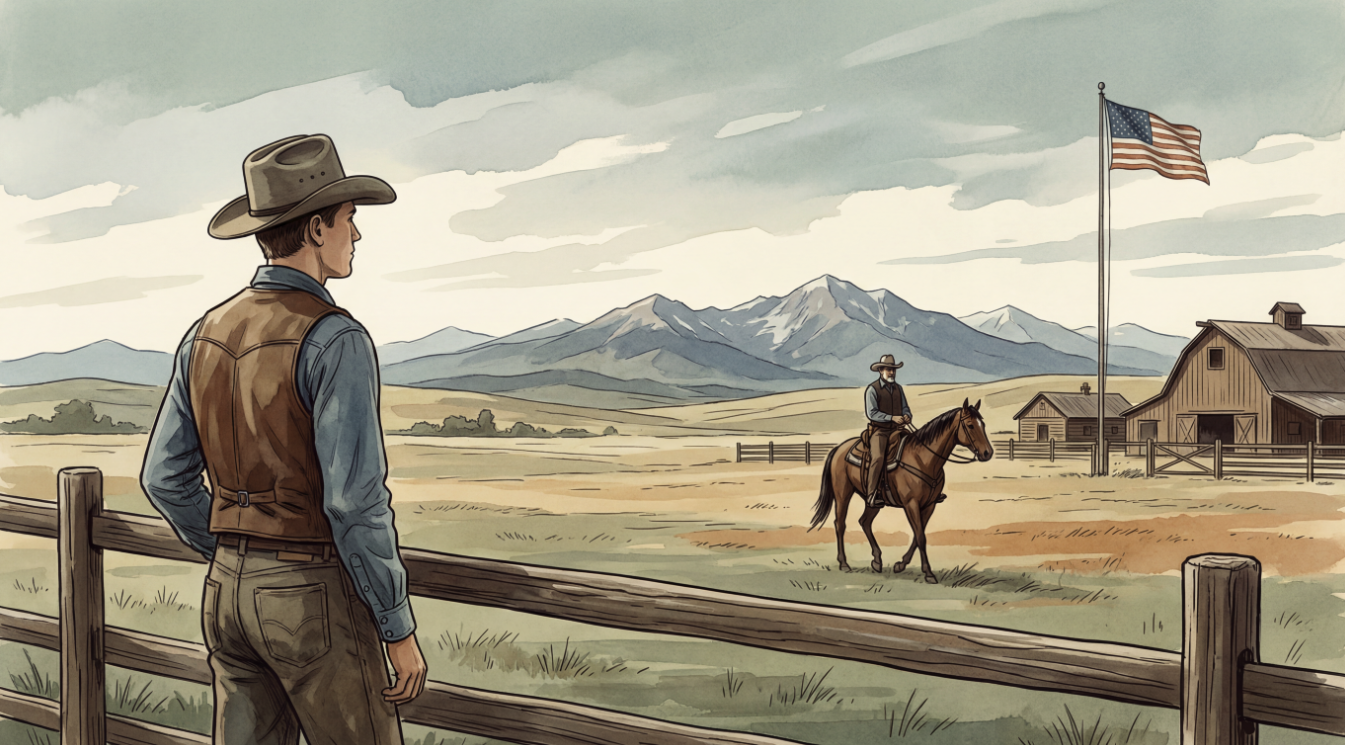
The Weight of Legacy: Can 1944 Carry the Dutton Torch?
When Paramount announced 1944 as the next chapter in the Yellowstone universe, the announcement landed with both excitement and trepidation. After the Emmy-nominated 1883 and Golden Globe-nominated 1923 set impossibly high standards for Western storytelling, Taylor Sheridan's third prequel faces perhaps the most daunting challenge yet: living up to its own franchise's legacy while charting new territory in one of history's most transformative eras.
The stakes couldn't be higher. With Yellowstone concluding after five seasons and multiple spinoffs already in development, 1944 must prove that the Dutton saga still has fresh stories to tell—and that fans haven't reached their saturation point with Montana ranching drama.

What Fans Loved About Previous Prequels
To understand whether 1944 can succeed, we must first examine what made its predecessors resonate so deeply with audiences.
The 1883 Blueprint: Raw Emotion Meets Frontier Brutality
1883 didn't just tell a Western story—it subverted the genre. The death of Elsa Dutton in the finale broke viewers' hearts precisely because the series refused to romanticize the frontier experience. Sam Elliott's grizzled Shea Brennan, Tim McGraw and Faith Hill's vulnerable James and Margaret Dutton, and Isabel May's luminous Elsa created a perfect storm of authentic performances grounded in historical reality.
The series earned its Emmy nominations by delivering unflinching portrayals of cholera outbreaks, river crossings gone wrong, and the brutal displacement of Native peoples. It was Yellowstone without the polish—muddy, bloody, and heartbreakingly real.
The 1923 Formula: Star Power Meets Intimate Drama
1923 took a different approach, leveraging Hollywood royalty Harrison Ford and Helen Mirren while maintaining the franchise's commitment to generational storytelling. The series explored the Prohibition era, the Great Depression's early tremors, and the lasting trauma of World War I through Spencer Dutton's haunted eyes.
Brandon Sklenar's Spencer became an instant fan favorite—a damaged war veteran turned African lion hunter who embodied both the Dutton ruthlessness and a weary gentleness. His romance with Alexandra (Julia Schlaepfer) provided the emotional throughline that kept viewers invested across two seasons, even as the series juggled multiple plot threads across continents.
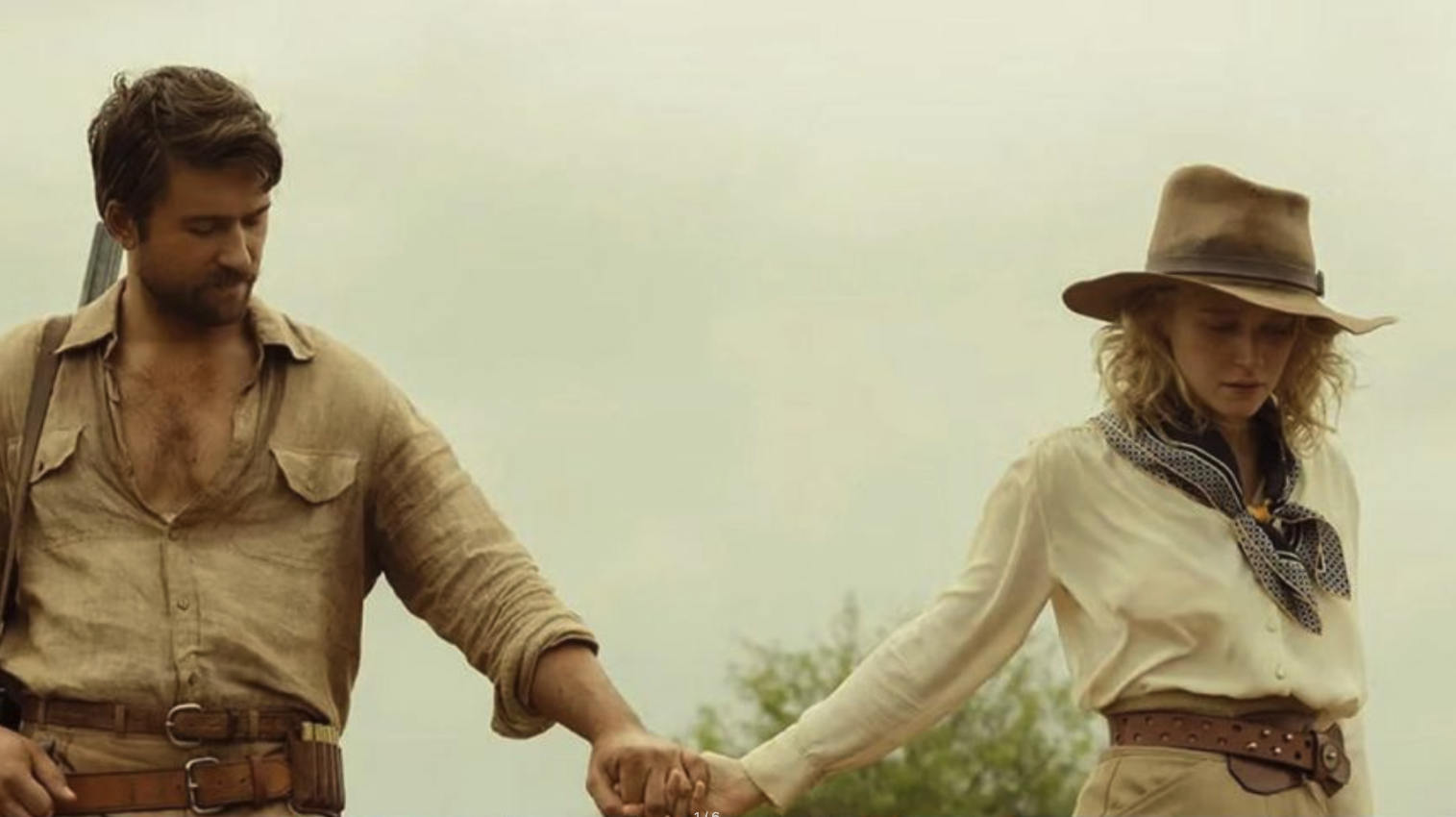
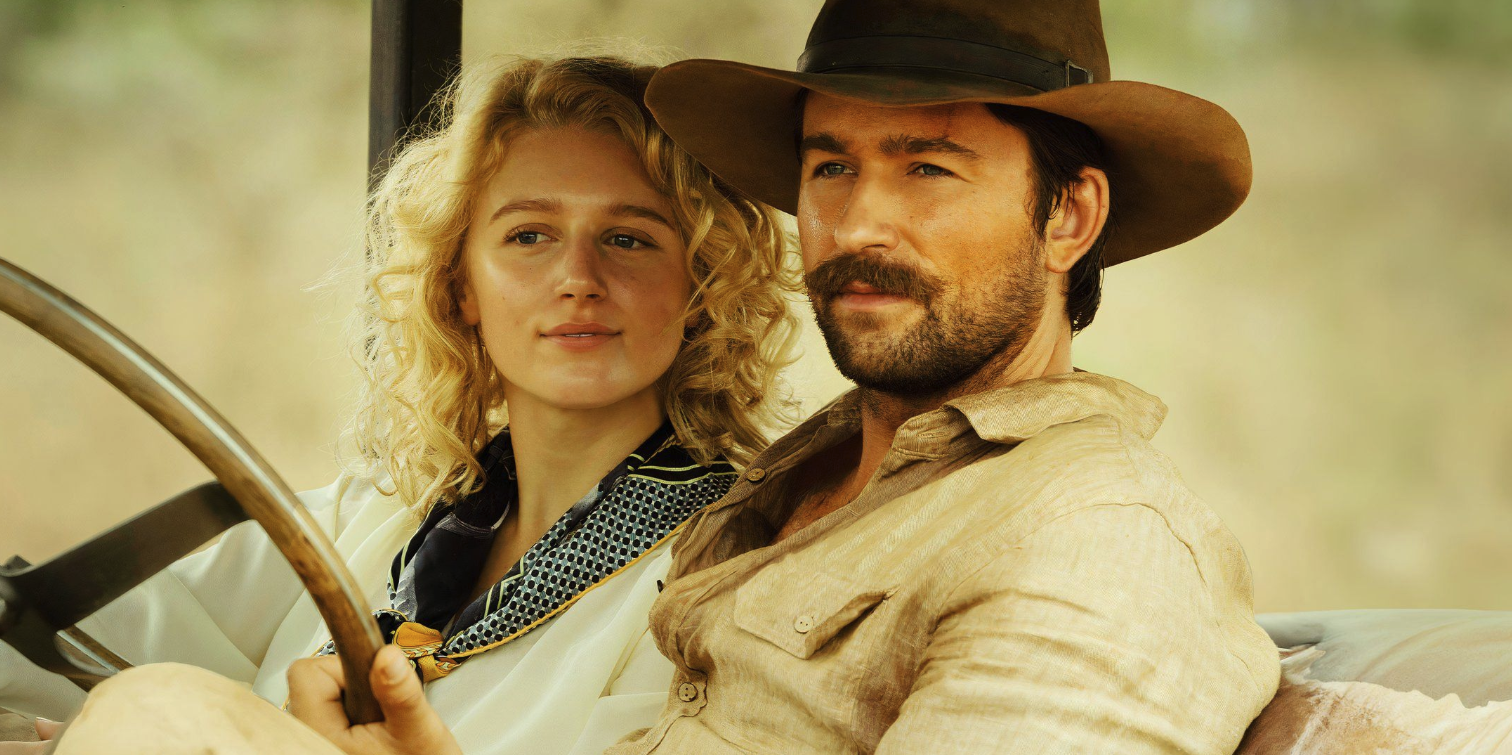
Both prequels succeeded because they balanced epic scope with intimate character moments, historical authenticity with soapy drama, and reverence for Western mythology with a willingness to interrogate its darker corners.
The 1944 Promise: What We Know So Far
1944 positions itself 21 years after 1923's conclusion—a shorter generational leap than the 40-year gap between 1883 and 1923. This tighter timeline creates both opportunities and constraints.
The World War II Backdrop
Setting the series during WWII immediately raises narrative possibilities. Montana ranches faced unprecedented challenges during the war years: severe labor shortages as young men enlisted, strict rationing programs, and the controversial use of German POWs as agricultural workers. The home front experience—often overlooked in favor of combat narratives—offers rich dramatic material.
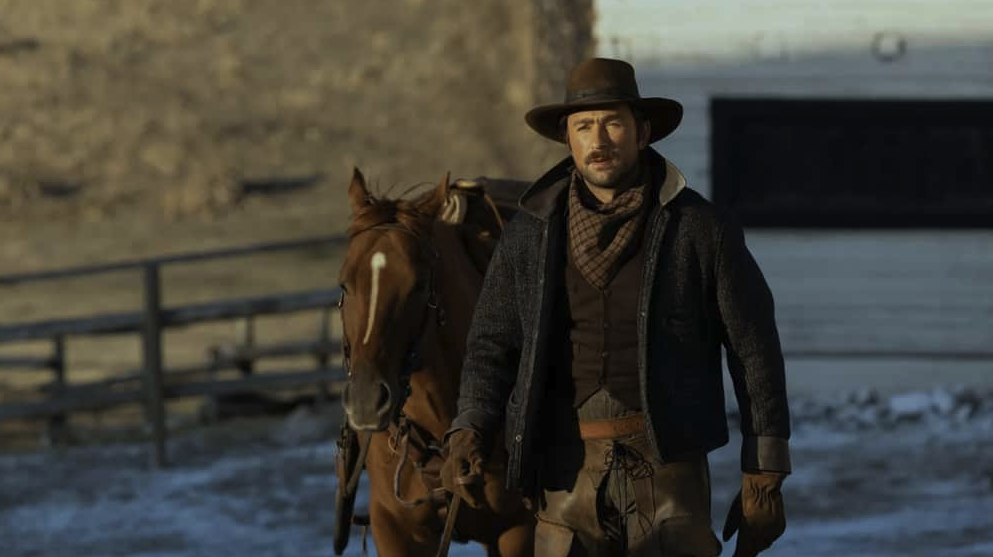
Historical Context: By 1944, Montana's agricultural landscape had been transformed by the war effort. With over 57,000 Montanans serving in the military from a population of just 559,000, nearly every ranch family faced acute labor shortages. German prisoners of war were controversially employed on farms and ranches throughout the state, creating complex moral dynamics that would fit perfectly into the Yellowstone universe's exploration of ethical gray areas.
The series could explore D-Day's impact on Montana families, the moral complexities of POW labor programs, or the technological transformations that mechanized American agriculture. These historical touchstones provide natural dramatic tension without requiring invented conflicts.
The Character Question: Old Faces or New Blood?
The 1923 finale's revelation that Spencer and Alexandra's son becomes John Dutton II creates a clear generational bridge. In 1944, John II would be approximately 21 years old—the perfect age for a protagonist caught between boyhood and the responsibilities of ranch leadership.
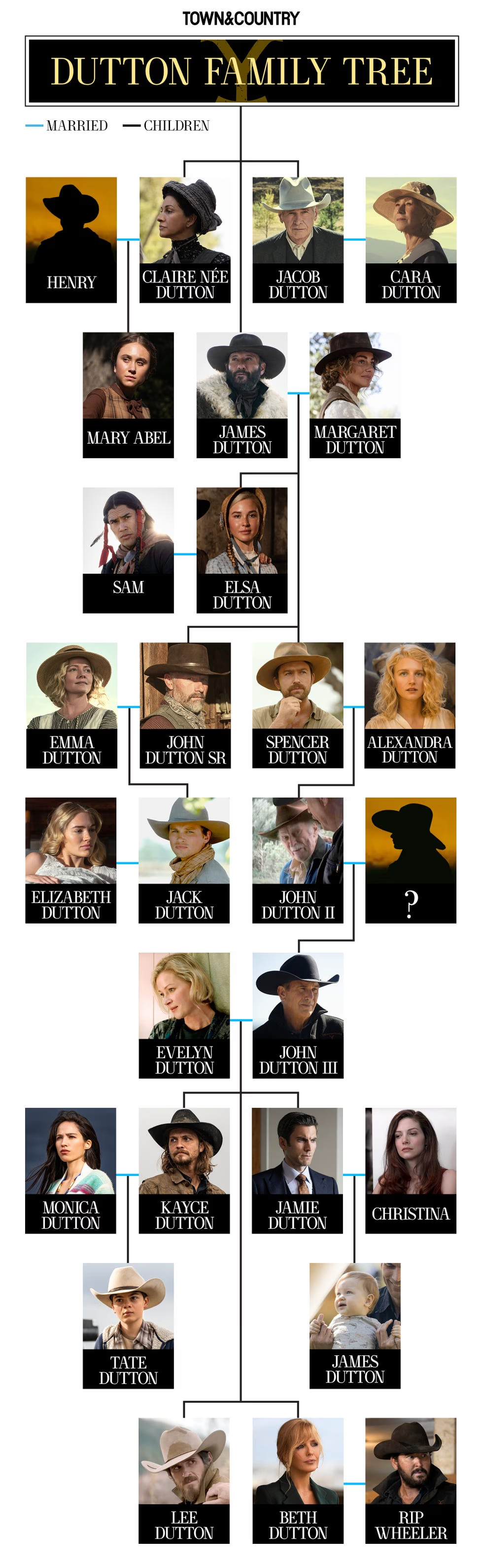
The Dutton Family Timeline: Spanning from James and Margaret Dutton's arrival in Montana (1883) through Jacob and Cara's stewardship during Prohibition (1923), the family tree culminates with John Dutton II—father of the Kevin Costner character—coming of age during WWII. This generational progression has been meticulously plotted across three prequels, with each era shaped by its unique historical pressures: frontier survival, economic depression, and now global warfare.
Brandon Sklenar has expressed interest in reprising Spencer, telling Variety, "Listen, I know that '1944' is a thing that they are planning on doing here, and maybe we see Spencer in 1944. That is something I would be interested in doing." An older Spencer—now in his 50s, having survived the loss of Alexandra—could serve as the wise, weathered patriarch guiding his son through wartime challenges.
Can It Deliver? Five Critical Factors for Success
1. The WWII Backdrop and Historical Authenticity
The Yellowstone franchise has earned credibility through meticulous period detail. 1944 must maintain this standard while avoiding the trap of treating WWII as mere window dressing. The series needs to show how global conflict reshaped Montana ranch life in specific, tangible ways.
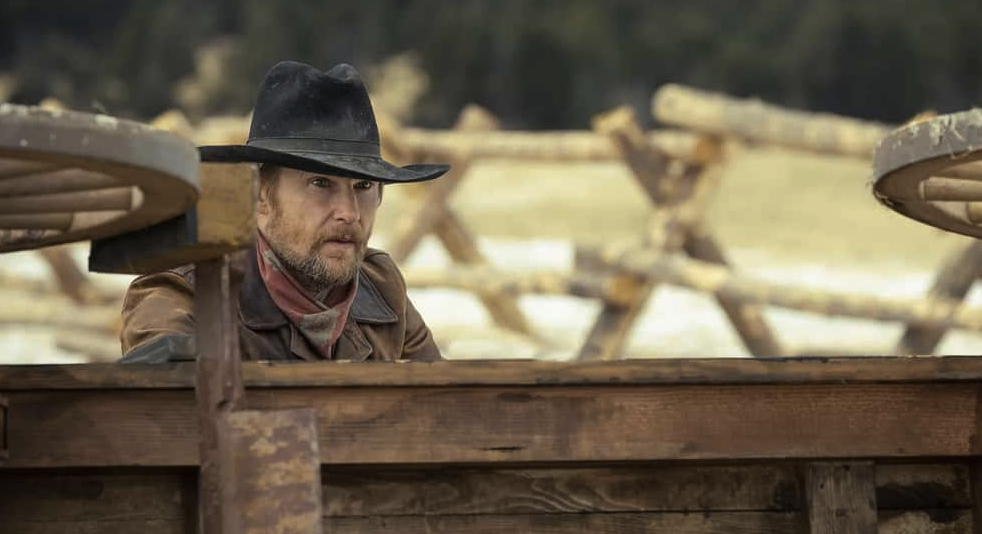
The Home Front Reality: Montana's contribution to the war effort extended far beyond its soldiers. The state became a critical supplier of beef, wheat, and other agricultural products under strict federal rationing programs. Ranchers dealt with government-mandated price controls, limited access to equipment and fuel, and the challenge of maintaining operations with skeleton crews. Women took on traditionally male roles, elderly ranchers came out of retirement, and the social fabric of rural Montana was permanently altered. 1944 could mine this rich historical vein for both dramatic conflict and authentic period atmosphere.
Montana contributed over 57,000 soldiers to WWII from a total population of just 559,000. Every ranch family would have known someone in uniform, creating an omnipresent atmosphere of anxiety and loss. 1944 must capture this pervasive dread alongside the ranch's day-to-day operations—the war as both distant abstraction and intimate tragedy.
2. Character Continuity vs. Fresh Faces
The series walks a tightrope: honor 1923's characters without becoming enslaved to them. If Spencer returns, his role should be supporting rather than central. John Dutton II must emerge as a fully realized protagonist, not merely a connecting link between more interesting generations.
This requires careful writing. John II needs his own distinct personality, conflicts, and character arc. The temptation to simply replicate Kevin Costner's John III would be fatal—each Dutton generation must feel like a product of their specific era's pressures and possibilities.
3. Emotional Stakes and Family Drama
The Yellowstone franchise excels at making vast historical forces personal. 1883 filtered westward expansion through Elsa's coming-of-age. 1923 examined economic depression through the Duttons' fight to maintain their land amid corporate predation.
1944 must find equivalent emotional anchors. Perhaps John II feels torn between enlisting and protecting the ranch. Maybe he falls for a woman whose brother died at Normandy, creating romantic tension freighted with survivor's guilt. The series needs love stories, betrayals, and family conflicts that resonate beyond their historical context while remaining rooted in it.
4. Production Quality and Taylor Sheridan's Vision
Here's where concerns emerge. Sheridan currently juggles Landman, Tulsa King, Mayor of Kingstown, Special Ops: Lioness, and multiple Yellowstone spinoffs. 1923 required two years between seasons partly due to Sheridan's commitments. Can 1944 maintain the visual grandeur and narrative coherence that defined its predecessors if Sheridan's attention is divided?
1923 cost an estimated $200 million for two seasons. If 1944 includes combat sequences—Spencer's son serving overseas, perhaps—production costs could escalate further. Budget constraints might force compromises that fans notice and resent.
5. Bridging the Generational Gap to the Original Series
1944 sits just 15 years before John Dutton III's birth in 1959. The series must plant seeds that blossom into the power dynamics, family wounds, and land conflicts that define Yellowstone. Viewers will scrutinize every detail for connections, making continuity errors potentially franchise-breaking.
Yet the series can't become so preoccupied with setup that it forgets to tell its own compelling story. The best prequels stand alone while enriching the larger narrative—1944 must achieve this delicate balance.
The Challenges Ahead
Franchise Fatigue and Oversaturation
Paramount has announced or released seven Yellowstone-related series: the original show, 1883, 1923, 1944, The Madison, Y: Marshals, and The Dutton Ranch. That's without counting 6666, currently on hold. At what point does expansion become dilution?
1944 risks arriving to an audience exhausted by Dutton drama. If The Madison disappoints or Y: Marshals underwhelms, viewer goodwill may evaporate before 1944 even premieres. The series faces not just its own challenges but the cumulative burden of franchise performance.
The Sheridan Factor: Genius or Stretched Too Thin?
Taylor Sheridan's recent deal with NBCUniversal—reportedly worth $150 million—begins in 2029, leaving limited time to complete Paramount projects. 1944 must be written, cast, filmed, and released before Sheridan's focus shifts elsewhere. This compressed timeline could result in rushed development or production compromises.
Moreover, Sheridan's recent work shows signs of strain. Landman received mixed reviews, with critics noting uneven pacing and underdeveloped characters. If Sheridan's quality control slips, 1944 suffers.
The Departure of Kevin Costner
While 1944 predates John Dutton III's story, Costner's departure from the franchise created toxicity that still lingers. His public disputes with Sheridan and the network left fans divided. Some viewers may boycott future spinoffs out of loyalty to Costner, while others resent his role in Yellowstone's premature conclusion. 1944 inherits this baggage unfairly but unavoidably.
Fan Expectations vs. Reality Check
What do fans actually want from 1944? Social media reveals competing desires:
- Continuity enthusiasts crave Spencer's return, closure on 1923's storylines, and explicit connections to Yellowstone mythology.
- Historical drama fans want authentic WWII home front narratives, period-accurate detail, and exploration of wartime Montana's unique challenges.
- Character-driven viewers demand compelling new protagonists who earn emotional investment rather than trading on franchise nostalgia.
- Skeptics question whether the franchise needs another prequel at all, suggesting Taylor Sheridan should focus on original concepts.
These expectations are partly incompatible. A series that heavily features Spencer satisfies continuity fans but risks overshadowing John Dutton II. A WWII-centric narrative might shortchange the intimate family drama that defines the franchise. Pleasing everyone is impossible—1944 must choose its priorities carefully.
The Verdict: Can 1944 Satisfy the Fanbase?
The honest answer: probably, but not universally.
1944 has the ingredients for success. The WWII setting offers fresh narrative terrain while maintaining thematic continuity with earlier prequels' examinations of American transformation. The potential return of Brandon Sklenar provides star power and emotional resonance. The tighter timeline to Yellowstone promises more explicit connections that fans crave.
However, the series faces significant headwinds. Taylor Sheridan's overstretched schedule, the risk of franchise fatigue, and the challenge of introducing yet another generation of Duttons create real obstacles. If 1944 premieres to an audience exhausted by spinoff overload or if production quality suffers from rushed development, even a good series might be received poorly.
The most likely outcome: 1944 will be competently crafted, visually stunning, and emotionally engaging—but it won't recapture the lightning-in-a-bottle magic of 1883's frontier rawness or 1923's sweeping romance. It will satisfy dedicated fans while leaving casual viewers wondering if the Yellowstone universe has finally stretched its mythology too thin.
For the series to exceed expectations, it must take risks. Perhaps John Dutton II isn't the noble patriarch-in-training but a morally compromised figure who makes choices that haunt future generations. Maybe 1944 explores the Duttons' relationship with German POWs, creating uncomfortable parallels to the ranch's later conflicts with Native American land claims. The series needs boldness that matches 1883's willingness to kill its narrator in the finale.
Ultimately, 1944's success depends less on meeting every fan expectation than on telling a story so compelling that debates about continuity and franchise management fade into irrelevance. If Taylor Sheridan can once again find the human story within the historical epic—if he can make us care about John Dutton II's journey as much as we cared about Elsa's or Spencer's—then 1944 will justify its existence.
The Yellowstone legacy is both blessing and burden. 1944 must honor what came before without being imprisoned by it. That's the tightrope every successful prequel walks. Whether this one maintains its balance remains to be seen—but the attempt is worth watching.