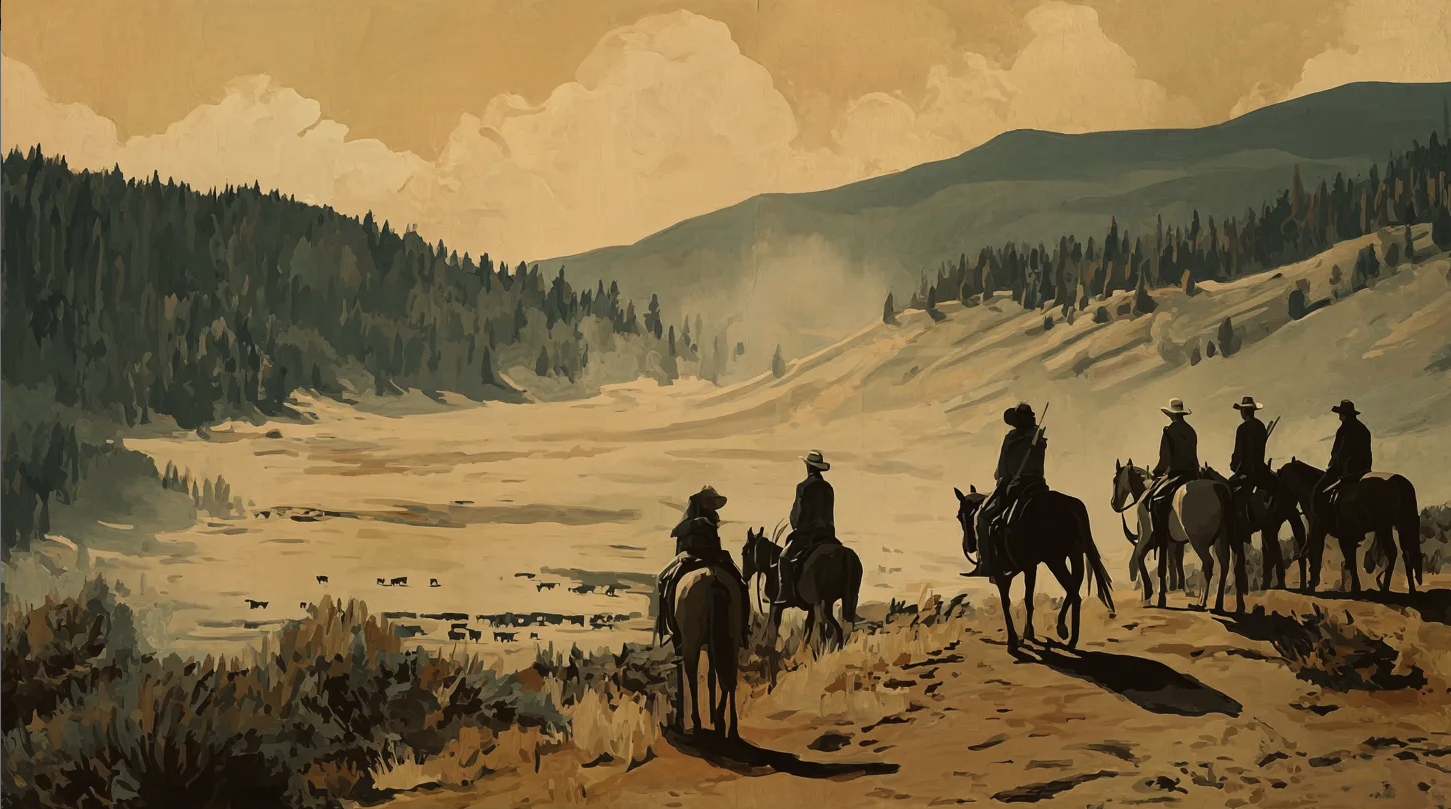
In the rapidly expanding television empire of Taylor Sheridan, branding is everything. The iconic “Y” logo, seared into the chests of Dutton cowboys, has become a symbol of television’s most dominant franchise. For years, that simple, searing mark has represented more than just a ranch; it’s a promise of gritty drama, sweeping western landscapes, and a fierce, unwavering loyalty to family and land. For fans, the “Y” became a seal of quality, an immediate signal that a story belongs to this revered world. Yet, in a bold and telling strategic shift, the universe is beginning to shed its own brand. The latest spinoffs are intentionally “dropping the Y,” a move that signals a calculated pivot from relying on the parent show’s name to building a constellation of independent, yet interconnected, worlds.

The Great Unbranding of 2026
The first public signs of this new strategy emerged during the 83rd Golden Globe Awards in January 2026. In a flurry of promotional activity, Paramount and CBS quietly but definitively altered the titles of their most anticipated sequels. The Luke Grimes-led spinoff, long developed as Y: Marshals, was officially streamlined to simply Marshals. Similarly, the highly-awaited continuation of Beth and Rip’s story, which had been rumored as The Dutton Ranch, was confirmed with the simpler title, Dutton Ranch.
This was no accident. It was a coordinated de-branding executed with surgical precision, reminiscent of how major film franchises like Star Wars eventually dropped the episode numbers from their main promotional titles to allow films like Rogue One and Solo to stand on their own. The campaign at the Golden Globes was a “soft launch” of this new identity, testing the waters in a high-profile but controlled environment. On the red carpet, star Luke Grimes provided the official explanation for the change. “I think they just wanted to make sure people knew it was a Yellowstone world, Taylor Sheridan world kind of a show,” he told Entertainment Tonight. “It’s clear once you see Kayce that it is that, so I think we can drop the ‘Y’ now.”

Grimes’ comment cuts to the heart of the strategy: use the character as the bridge, not the title. The initial “Y” served its purpose, establishing a clear link for the dedicated fanbase. This is a mature-franchise move, not unlike when CSI: Miami and CSI: NY became so popular they were often referred to simply as Miami and NY. Now, with the show’s launch imminent, the training wheels are off. The goal is no longer just to be a Yellowstone spinoff, but to be Marshals—a show that happens to star Kayce Dutton.
A Network Play: CBS’s Quest for New Viewers
The strategy behind Marshals is inextricably linked to its home on CBS. Unlike the cable-and-streaming-native prequels 1883 and 1923, Marshals is designed for a broad network television audience. This presents a unique challenge: how to attract millions of new viewers who may have never seen an episode of the original Yellowstone?
Forcing new viewers to binge five seasons on a rival streaming service (Peacock) to understand the new show would be a massive barrier to entry. CBS is a network built on the bedrock of successful procedurals, from the NCIS and CSI juggernauts to Blue Bloods and FBI. These shows thrive because they are self-contained and accessible. By dropping the “Y,” CBS is making a clear statement: you don’t need a PhD in Dutton family history to watch Marshals. The show is being positioned as an accessible procedural crime drama that fits perfectly within the network’s established brand identity. The “Y” will reportedly remain in the show’s logo, a clever nod for die-hard fans, but the cleaner title allows the marketing team to sell it as a fresh story.
This is a classic network television play. By slotting Marshals for a premiere on March 1, 2026, directly following the ratings titan 60 Minutes, CBS is giving it the strongest possible launchpad. The Sunday night “hammock” strategy is legendary for its ability to introduce new shows to a massive, captive audience. The network is betting that the appeal of a high-stakes U.S. Marshal drama, combined with the star power of Luke Grimes, can create a new, self-sustaining hit that brings the prestige of the Sheridan-verse to a wider demographic.
The Sheridan Factor and a Shifting Empire
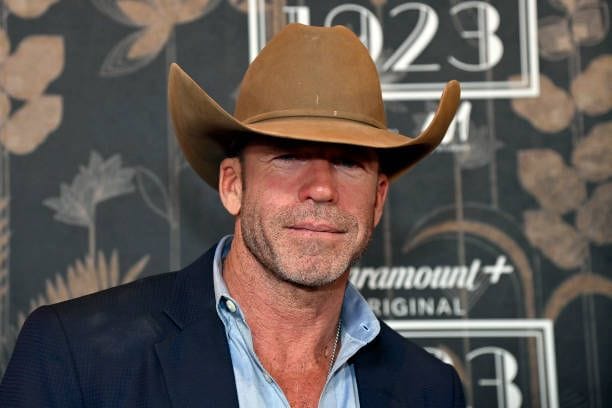
Looming over this strategic shift is Taylor Sheridan’s own evolving business landscape. In October 2025, it was reported that the prolific creator signed a monumental five-year overall deal with NBCUniversal, which is set to take effect after his current Paramount deals expire in March 2026 for film and 2028 for television.
While CBS has denied that the title change for Marshals has anything to do with network politics, industry observers can’t help but speculate. Creating shows with more independent titles could strategically position them for a future where they are less intrinsically tied to the Paramount-owned Yellowstone IP.
Future-Proofing the Assets
The financial underpinnings of this strategy cannot be ignored. With Sheridan’s lucrative deal at NBCUniversal looming, Paramount faces a ticking clock to maximize the value of its golden goose. By establishing spinoffs like Marshals and Dutton Ranch as distinct brands, Paramount is creating more versatile assets. These shows could theoretically be licensed or sold with fewer entanglements to the core Yellowstone property, making them more attractive in a complex, multi-platform media landscape. It’s a savvy business move that ensures the continued profitability of the universe, regardless of where its creator-in-chief hangs his hat in 2028.
As Sheridan builds his new empire at NBCUniversal, having spinoffs that have already cultivated their own distinct brand identity could prove incredibly valuable. This de-branding could be seen as future-proofing the assets, allowing them to exist more freely within the complex web of rights and ownership that defines modern television.
A Universe of Independent Worlds
This strategy isn’t limited to Marshals. The confirmation of Dutton Ranch follows the same pattern. More telling is the development of The Madison. Set for a 2026 release, the series stars major talent like Michelle Pfeiffer and Kurt Russell. While details remain under wraps, it is said to be connected to the Yellowstone world but will reportedly feature no Dutton family members. It is the ultimate test of whether the themes of Sheridan’s universe—the clash of modernity and tradition, the fight for land, and the brutal realities of power—can sustain a show without the central family.
The franchise is strong enough to experiment. The 1923 Season 2 finale was a ratings juggernaut, drawing a staggering 14 million viewers and accumulating 1.68 billion minutes viewed in its first week. This proves the audience is deeply invested and may be willing to follow Sheridan into new, less familiar territory. It’s a playbook used by other successful franchises, from the sprawling Star Trek universe to Dick Wolf’s interconnected Chicago and Law & Order franchises. These worlds succeeded because spinoffs like Star Trek: The Next Generation and Law & Order: SVU honored their roots but ultimately succeeded by carving out their own unique identity.
As the Yellowstone saga continues to expand with the upcoming prequel 1944, the question remains whether it, too, will follow this de-branding trend. The pattern suggests it’s likely. Sheridan appears to be building not a series of spinoffs, but a galaxy of interlocking worlds, each with its own center of gravity. Dropping the “Y” is a declaration of independence—a calculated risk that sacrifices immediate name recognition for the promise of creating a more resilient and expansive television legacy. It’s a bet that the characters and stories are now strong enough to ride on their own.
The Future is Unbranded
As 2026 unfolds, the Sheridan-verse is becoming a fascinating test case for the future of franchise building. In an era dominated by interconnected universes, dropping the very symbol that ties it all together is a counterintuitive but potentially brilliant move. If Marshals and Dutton Ranch succeed on their own terms, they could set a new precedent, proving that a thematic and spiritual connection can be more powerful and sustainable than a simple branding exercise. The next few years will determine if this de-branding strategy is a stroke of genius that reshapes how television empires are built, or a gamble that dilutes the power of TV’s most recognizable brand. One thing is certain: the whole industry will be watching.