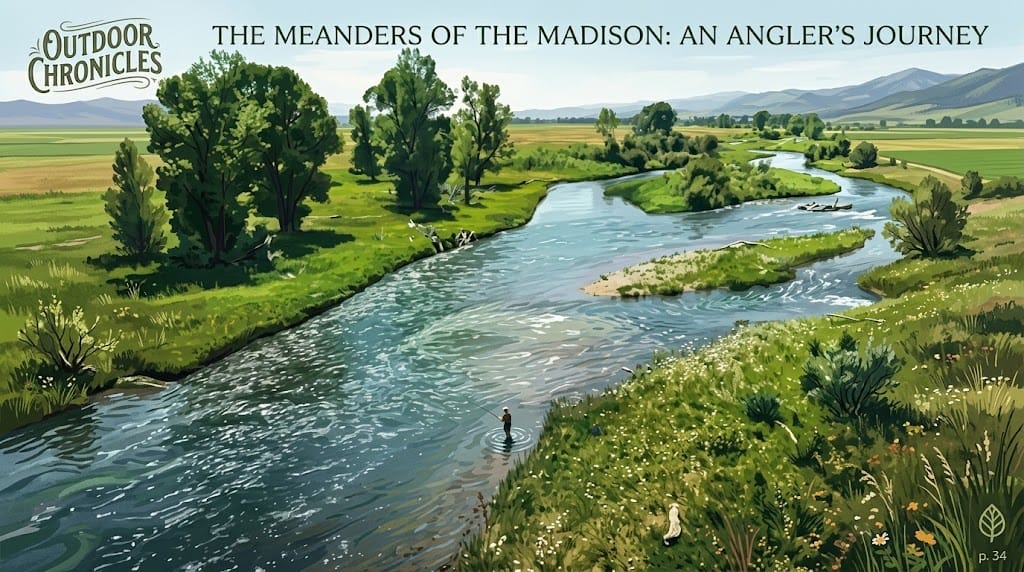
In Taylor Sheridan’s The Madison, fly fishing isn’t just a hobby—it’s the thread that connects a family torn apart by tragedy. From the opening scene where Preston Clyburn (Kurt Russell) casts his line into Montana’s pristine waters to the finale where his widow Stacy (Michelle Pfeiffer) attempts her first cast, fishing serves as both the catalyst for heartbreak and the path toward healing. This deep dive explores the real fishing locations, techniques, and cultural significance behind the show’s most poignant scenes.
Quick Overview: Fishing as Story and Symbol
Fly fishing is the emotional and narrative backbone of The Madison. Preston’s passion for Montana’s rivers is what brings him to the state, what ultimately costs him his life, and what becomes the family’s way of staying connected to him after he’s gone. The show authentically portrays Montana’s legendary fishing culture while using the sport as a metaphor for patience, presence, and the healing power of nature.
Key Fishing Elements in the Show:
- The Fatal Trip: Preston and Paul’s final fishing expedition to an exclusive backcountry location
- Preston’s Journals: Detailed fishing notes that reveal a side of him Stacy never knew
- Stacy’s First Cast: Her attempt to connect with Preston through his favorite activity
- The Madison River: The legendary “Fifty Mile Riffle” that defines the region
- A River Runs Through It: Preston’s favorite film, referenced throughout the series
The Opening Scene: Preston’s Last Cast
Episode 1: “The Big Lost”
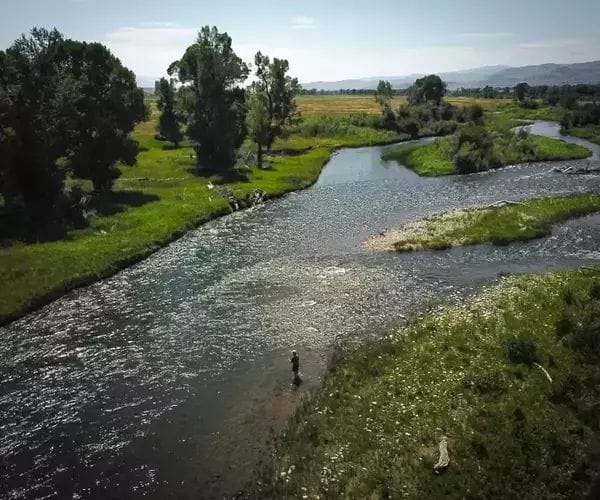
The series opens with Preston Clyburn and his brother Paul (Matthew Fox) on a fishing trip in Montana. This isn’t a casual outing—it’s a pilgrimage to waters Preston has dreamed about for years.
The Setup:
Preston was planning to return to New York the next day, but Paul has a birthday surprise: a plan to fly them into an exclusive, remote body of water for “special fishing.” As Paul puts it, this is the kind of opportunity that comes once in a lifetime—pristine backcountry waters accessible only by small plane, the kind of fishing most anglers only dream about.
The Significance:
This scene establishes several crucial elements:
- Preston’s Priorities: At this stage of his life, he values these moments in nature above almost everything else. He notes he only has “a handful of years” before he’ll lose the mobility to enjoy life this fully.
- The Brother Bond: Paul knows exactly what will make Preston happy—not material gifts, but access to untouched fishing waters.
- Foreshadowing: The approaching storm Preston notices becomes the tragic turning point. Paul dismisses his concerns, saying he’s “overreacting.”
The Fishing Location:
While the show calls it “The Big Lost” (likely referencing Idaho’s Big Lost River, a famous fly-fishing destination), the actual filming took place in Montana’s Gallatin Canyon and Madison River valley. This choice reflects the show’s commitment to authentic Montana landscapes.
The Crash: When Passion Becomes Tragedy
The Plane Crash in Madison River Valley
The plane crash that kills Preston and Paul occurs in the Madison River valley—the very landscape that Preston loved so deeply. The Department of Forestry delivers the devastating news: neither brother survived.
The Irony:
Preston died doing exactly what he loved, in the place he loved most. As Stacy later reflects while watching A River Runs Through It with her family: “Preston died doing exactly what he loved doing—a small comfort amidst this unbearable ordeal.”
The Reality of Backcountry Fishing:
The show’s portrayal reflects real risks that Montana anglers face:
- Weather Changes: Mountain weather can turn deadly in minutes
- Remote Access: Many prime fishing locations require small aircraft
- The Gamble: Anglers often push boundaries to reach exclusive waters
This tragic setup isn’t just dramatic license—Montana’s backcountry has claimed lives of pilots and anglers who underestimated the mountains’ power.
Preston’s Journals: A Fisher’s Soul Revealed
Discovering the Man Through His Fishing Notes
After Preston’s death, Stacy discovers his detailed fishing journals—meticulously kept records of his Montana trips that reveal a side of her husband she never fully knew.
What the Journals Contain:
Based on the show’s references, Preston’s journals likely include:
- Fishing Locations: Specific spots on the Madison River and other Montana waters
- Techniques Used: Fly patterns, casting methods, water conditions
- Observations: Wildlife sightings, weather patterns, seasonal changes
- Reflections: Personal thoughts he never shared with Stacy
The Emotional Impact:
For Stacy, these journals are both painful and precious. They show her:
- A Complete Person: Preston had an entire life and passion she wasn’t fully part of
- His Inner World: The contemplative, observant side he expressed through fishing
- A Roadmap: Instructions for how to connect with his memory
The Reality of Fishing Journals:
Serious fly fishers often keep detailed journals. These aren’t just records—they’re:
- Practical Tools: Tracking what works when and where
- Meditation: Processing thoughts while on the water
- Legacy: Passing knowledge to the next generation
Preston’s journals become Stacy’s guide to understanding both Montana and the man she loved.
The Madison River: Montana’s Legendary Fishery
Why This River Matters to the Story
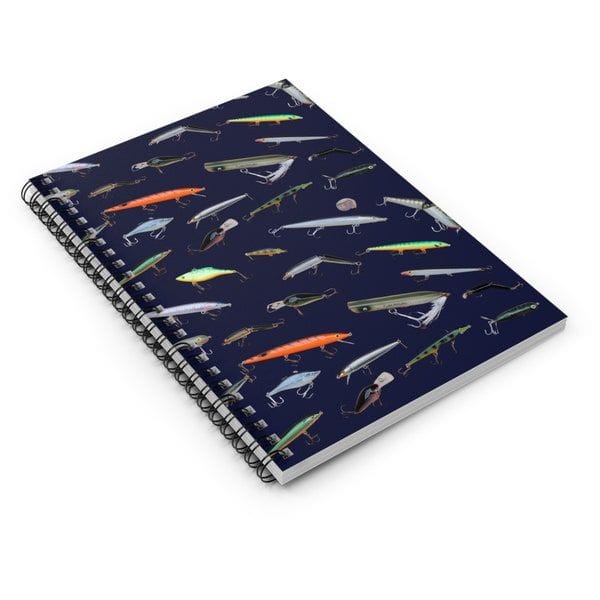
The show takes its name from the Madison River—and for good reason. This isn’t just any fishing destination; it’s one of the most famous trout streams in the world.
The “Fifty Mile Riffle”:
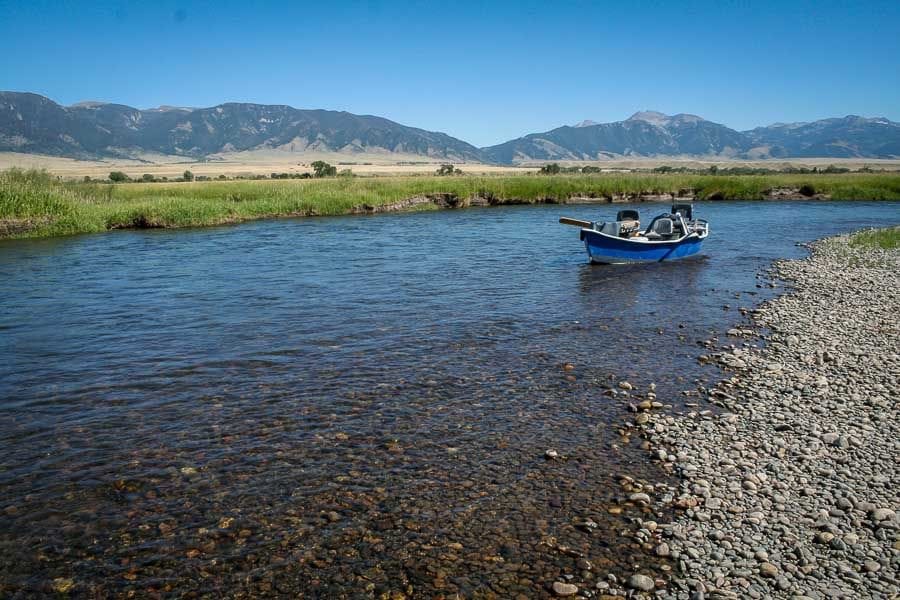
The stretch of the Madison River between Quake Lake and Ennis Lake is known as the “Fifty Mile Riffle”—a remarkably consistent section of river that maintains steady current and ideal fishing conditions for 50 miles.
What Makes It Special:
1. Trout Density:
- 3,000-5,000 trout per mile in prime sections
- Among the highest fish populations in North America
- Mix of rainbow trout, brown trout, and mountain whitefish
2. Consistent Fishing:
- Year-round fishing opportunities
- Predictable hatches and feeding patterns
- Accessible yet wild character
3. Scenic Beauty:
- Flanked by the Madison Range (east) and Gravelly Range (west)
- Wide valley with mountain vistas
- Classic Montana landscape
4. Cultural Significance:
- Featured in countless fishing films and books
- Pilgrimage destination for serious anglers
- Economic lifeblood of Ennis, Montana
In the Show:
The Madison River represents:
- Preston’s Paradise: The place where he felt most alive
- The Family’s Challenge: An unfamiliar world they must navigate
- Healing Landscape: The setting for their transformation
Fly Fishing Techniques in The Madison
The Real Methods Behind the Scenes
While The Madison focuses more on emotional storytelling than technical fishing instruction, the fishing scenes reflect authentic Montana techniques.
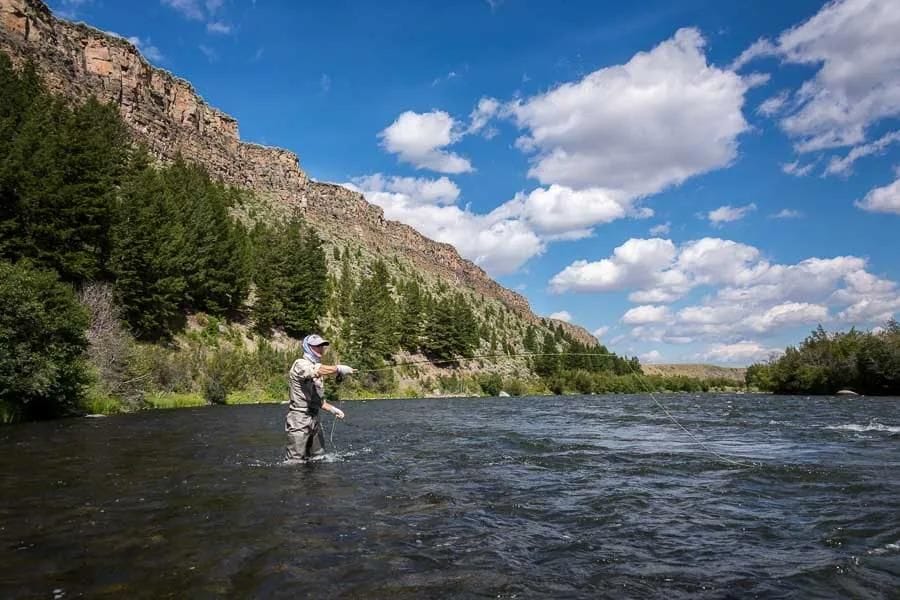
Dry Fly Fishing
What It Is:
Casting artificial flies that float on the water’s surface, imitating adult insects.
When It’s Used:
- During insect hatches (when bugs are emerging)
- Summer months (June-September)
- Calm water conditions
Why It’s Beloved:
- Visual excitement of seeing fish rise to take the fly
- Considered the most “pure” form of fly fishing
- Requires reading water and understanding insect behavior
In Montana:
Common dry flies on the Madison include:
- Hoppers: Grasshopper imitations (August-September)
- Caddis: Small moth-like insects (May-June)
- Mayflies: Delicate insects with upright wings (June-July)
Nymphing
What It Is:
Fishing with flies that sink below the surface, imitating immature aquatic insects.
When It’s Used:
- Year-round, but especially productive in spring and fall
- When fish aren’t rising to the surface
- In faster, deeper water
Why It’s Effective:
- Fish feed underwater 90% of the time
- More consistent catch rates than dry flies
- Works in varied conditions
Madison River Nymphing:
The Madison is “primarily a nymphing river these days,” according to local guides. Common patterns include:
- Stonefly Nymphs: Large, meaty insects
- Crayfish Imitations: The lower Madison has huge crayfish populations
- Mayfly Nymphs: Smaller, more delicate patterns
Streamer Fishing
What It Is:
Casting larger flies that imitate baitfish, leeches, or other swimming prey.
When It’s Used:
- Fall months (September-November)
- Overcast or rainy days
- When targeting larger, predatory trout
The Technique:
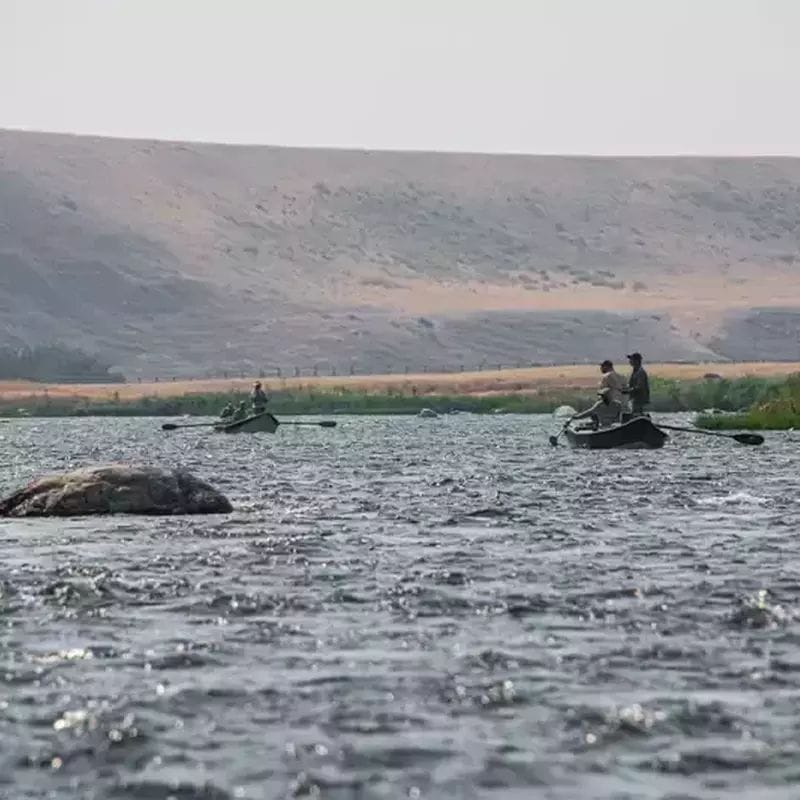
From a drift boat, anglers cast at an angle behind them and immediately start moving the fly, pulsing the rod tip to animate the streamer. This aggressive presentation triggers strikes from big brown trout.
Why It’s Exciting:
- Potential for trophy-sized fish (20+ inches)
- Active, engaging fishing style
- Adrenaline-pumping strikes
In the Show:
Preston’s pursuit of “exclusive” fishing waters suggests he was likely targeting trophy fish—the kind of angling that often involves streamer fishing in remote locations.
Episode 4: The Moonlight Fishing Scene
A Flashback to Brotherhood
Episode 4 opens with a flashback: Paul waking Preston in the middle of the night for a fishing excursion by moonlight. This scene, while brief, captures something essential about the fishing culture Preston loved.
Night Fishing in Montana:
While not common, night fishing has its devotees:
Why Fish at Night:
- Cooler temperatures (important in summer)
- Less fishing pressure
- Large trout often feed at night
- Magical, meditative experience
The Challenges:
- Difficult to see your fly
- Harder to read water
- Safety concerns (bears, terrain)
- Requires intimate knowledge of the water
What It Represents:
This scene shows:
- Paul’s Understanding: He knows Preston well enough to wake him for this experience
- Shared Passion: The brothers’ bond through fishing
- Commitment: True anglers fish when conditions are right, not just when convenient
- Last Moments: These were the brothers’ final hours together
The moonlight fishing scene is one of several “fishing montages” in the show—moments that might seem repetitive but actually build the case for why this activity meant so much to Preston.
Stacy’s First Cast: Connecting Through Fishing
Episode 6: Learning Preston’s Language
In the season finale, Stacy attempts to fly fish for the first time, using only the instructions she found in Preston’s journals. This scene is the emotional culmination of the season’s fishing narrative.
The Setup:
Stacy stands at the river’s edge, Preston’s journal in hand, trying to decode his notes about casting technique, fly selection, and reading water. She’s alone—no guide, no instructor—just her, the river, and her late husband’s words.
What Makes This Powerful:
1. Vulnerability:
Stacy is completely out of her element. A wealthy Manhattan socialite attempting a technical sport in an unfamiliar environment—it’s a metaphor for her entire Montana journey.
2. Connection:
By learning to fish, Stacy is learning Preston’s language. She’s seeing the river through his eyes, understanding what drew him here.
3. Healing:
The act of casting—the rhythm, the focus, the patience—becomes meditative. Fishing isn’t just about catching fish; it’s about being present.
4. Success:
Remarkably, Stacy seems to be “getting the hang of it.” This isn’t just beginner’s luck—it’s her opening herself to a new way of being.
The Reality of Learning to Fly Fish:
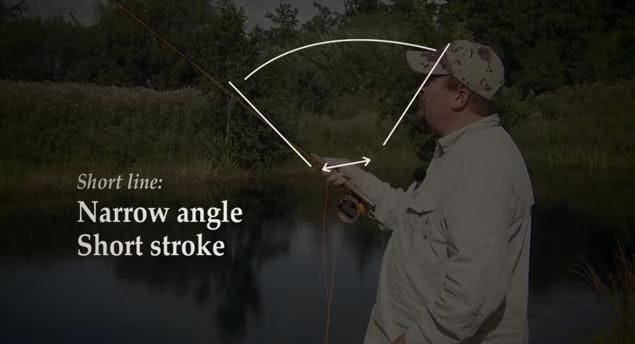
Fly fishing has a steep learning curve:
Physical Skills:
- Casting rhythm and timing
- Line control
- Reading water
- Knot tying
Mental Skills:
- Patience and persistence
- Observation (insects, water, fish behavior)
- Problem-solving (what fly, what technique)
- Accepting failure (most casts don’t catch fish)
Emotional Skills:
- Being present in the moment
- Accepting nature’s rhythms
- Finding peace in solitude
- Letting go of control
For Stacy, learning to fish is learning to live in Montana—and learning to live without Preston while staying connected to him.
A River Runs Through It: The Film Within the Series
Preston’s Favorite Movie
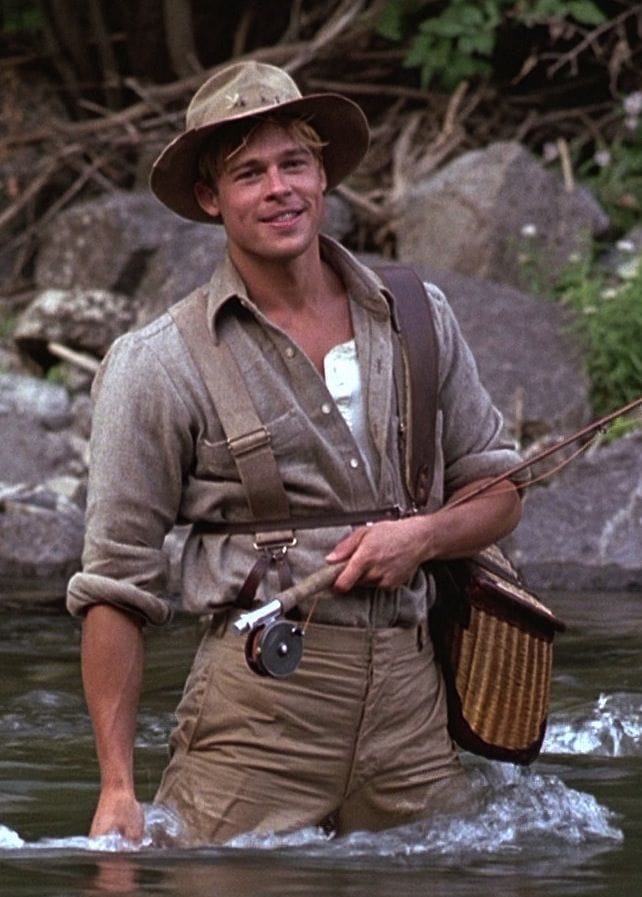
Throughout The Madison, characters reference A River Runs Through It (1992), Preston’s favorite film. This isn’t random—it’s a deliberate parallel that deepens the show’s themes.
About the Film:
Based on Norman Maclean’s novella, A River Runs Through It tells the story of two brothers in 1920s Montana, their Presbyterian minister father, and their shared love of fly fishing. Directed by Robert Redford, it’s considered one of the most beautiful films ever made about fishing and family.
Key Themes:
- Fly fishing as religion and art
- Brotherhood and family bonds
- The Montana landscape as character
- Love expressed through shared activities
- Tragedy and loss
The Parallel:
The Madison mirrors A River Runs Through It in several ways:
| A River Runs Through It | The Madison |
|---|---|
| Two brothers who fish together | Preston and Paul’s fishing trips |
| Montana rivers as sacred space | The Madison River valley |
| Tragedy strikes the younger brother | Both brothers die in plane crash |
| Fishing as way of understanding the lost | Stacy learns to fish to understand Preston |
| “Eventually, all things merge into one, and a river runs through it” | The Madison River connects past and present |
Why Preston Loved It:
The film likely resonated with Preston because:
- It elevated fishing from sport to spiritual practice
- It showed Montana as a place of beauty and meaning
- It portrayed male bonding through shared activity
- It acknowledged that we often understand people best through what they love
In Episode 1:
The Clyburn family watches A River Runs Through It together after learning of Preston’s death. Stacy says: “We both knew how precious and rare what we had was.” The film becomes a way for the family to feel close to Preston—to see the world as he saw it.
The Therapeutic Power of Fly Fishing
Why Fishing Heals: The Science and Culture
The Madison isn’t the first to explore fishing as therapy. There’s a growing body of research and real-world programs demonstrating fly fishing’s healing power.
Project Healing Waters
The Organization:
Founded in 2005 at Walter Reed Army Medical Center, Project Healing Waters Fly Fishing helps wounded veterans and active military personnel through fly fishing, fly tying, and rod building.
The Results:
Since its founding, Project Healing Waters has helped over 65,000 veterans, with participants reporting:
- Reduced PTSD symptoms
- Improved physical rehabilitation
- Stronger social connections
- Sense of purpose and accomplishment
- “Sanctuary” from trauma
Montana Connection:
Freedom Ranch for Heroes in Montana (near Wise River) hosts hundreds of Project Healing Waters participants each year, offering multi-day fishing trips on the Big Hole River and other blue-ribbon waters.

Why It Works:
Veterans describe fly fishing as therapeutic because:
- Focus: Requires concentration, pushing intrusive thoughts aside
- Rhythm: Casting becomes meditative, calming the nervous system
- Nature: Time outdoors reduces stress and anxiety
- Accomplishment: Learning new skills builds confidence
- Community: Shared activity creates bonds without forced conversation
- Control: In a world that feels chaotic, fishing offers manageable challenges
The Science of Fishing Therapy
Documented Benefits:
Research shows that fly fishing provides:
1. Mindfulness:
- Requires present-moment awareness
- Engages all senses (sight, sound, touch, even smell)
- Natural form of meditation
2. Physical Activity:
- Gentle exercise (wading, casting)
- Improves balance and coordination
- Accessible to various ability levels
3. Nature Exposure:
- Reduces cortisol (stress hormone)
- Improves mood and mental clarity
- Restores attention and focus
4. Social Connection:
- Shared activity builds relationships
- Less pressure than face-to-face conversation
- Intergenerational bonding opportunity
5. Sense of Purpose:
- Learning complex skills
- Achieving tangible goals
- Contributing to conservation
In The Madison
The show portrays fishing’s therapeutic power through:
For Preston:
- Escape from New York’s pressures
- Connection to something larger than himself
- Physical and spiritual renewal
For Stacy:
- Way to process grief
- Method of understanding Preston
- Path to finding herself
For the Family:
- Shared activity that doesn’t require talking about pain
- Connection to Preston’s memory
- Reason to be in Montana’s healing landscape
Montana Fishing Culture: What the Show Gets Right
Authenticity in The Madison
The Madison accurately portrays several aspects of Montana’s fishing culture:
1. The Pilgrimage Mentality
In the Show: Preston treats Montana fishing trips as sacred journeys—carefully planned, deeply meaningful, worth traveling across the country for.
In Reality: Serious anglers do make pilgrimages to Montana. The state’s reputation for world-class trout fishing draws people from around the globe. Ennis, Montana (the heart of the Madison valley) sees its population swell dramatically during fishing season.
2. The Gear and Ritual
In the Show: Preston’s journals, his careful preparation, his knowledge of specific locations—all reflect the serious angler’s approach.
In Reality: Fly fishing has a ritualistic quality. Anglers maintain detailed records, invest in quality gear, and develop intimate knowledge of specific waters. It’s not just about catching fish—it’s about the entire experience.
3. The Exclusive Access
In the Show: Paul’s “birthday surprise” of flying to an exclusive fishing location reflects real Montana culture.
In Reality: Some of Montana’s best fishing requires special access:
- Private ranches with river frontage
- Backcountry waters accessible only by plane or long hikes
- Spring creeks on private land (like DePuy’s and Armstrong’s)
- Guided trips to secret spots
This creates a hierarchy in fishing culture—from public access points to exclusive private waters.
4. The Weather Gamble
In the Show: Preston notices the approaching storm but Paul dismisses his concerns, leading to tragedy.
In Reality: Montana weather is notoriously unpredictable and dangerous:
- Afternoon thunderstorms in summer
- Rapid temperature drops
- Mountain winds
- Flash flooding
Experienced Montana anglers respect the weather—but the temptation to “just fish a little longer” has led to real tragedies.
5. The Fishing Widow/Widower
In the Show: Stacy never fully understood Preston’s passion for Montana fishing. She was a “beach girl,” not a river person.
In Reality: This dynamic is common in fishing families. One partner is obsessed; the other tolerates it or feels excluded. Stacy’s journey to understand Preston through fishing reflects many real relationships where a surviving spouse learns the deceased’s passion as a way of staying connected.
Fishing Locations Featured in The Madison
Where the Scenes Were Actually Filmed
While the show is set in the Madison River valley, filming took place across several Montana locations:
1. Madison River (Upper Section)
The “Fifty Mile Riffle”:
- Between Quake Lake and Ennis Lake
- World-famous for consistent fishing
- Highway 287 access
- Multiple public fishing access sites
Characteristics:
- Wide, steady current
- Riffle water (not pools or runs)
- Wading and float fishing
- Rainbow and brown trout
2. Gallatin River
Gallatin Canyon:
- US-191 between Bozeman and Big Sky
- Dramatic rock walls
- Fast-flowing pocket water
- Used for some fishing scenes in the show
Characteristics:
- More technical fishing than Madison
- Smaller, faster water
- Stunning scenery
- Rainbow and cutthroat trout
3. Big Lost River (Referenced)
The Opening Scene:
While the show calls Preston’s final fishing location “The Big Lost,” this likely refers to Idaho’s Big Lost River, a famous fly-fishing destination that “disappears” into the ground in places.
Why It’s Significant:
- Remote, pristine waters
- Requires dedication to access
- Trophy-sized trout
- The kind of “bucket list” fishing Preston would pursue
4. Private Ranch Waters
KG Ranch (Three Forks):
The 26,000-acre working cattle ranch where much of The Madison was filmed includes private water access—the kind of exclusive fishing Preston and Paul sought.
Montana Private Water:
Many of Montana’s premier fishing experiences are on private ranches:
- Miles of river with no other anglers
- Larger, less pressured fish
- Pristine habitat
- Expensive but unforgettable
Fishing for Beginners: Lessons from The Madison
What Stacy’s Journey Teaches Us
Stacy’s attempt to learn fly fishing in Preston’s memory offers lessons for anyone considering taking up the sport:
1. You Don’t Need to Be an Expert to Start
Stacy’s Approach:
She uses Preston’s journal as her guide—no formal lessons, no expensive guide service, just willingness to try.
The Reality:
While guides and lessons help, fly fishing is accessible to beginners:
- Start Simple: Basic casting, simple flies, easy water
- Expect Failure: Most casts don’t catch fish, even for experts
- Focus on Process: Enjoy being on the water, not just catching fish
- Learn Gradually: Skills develop over time, not overnight
Best Montana Rivers for Beginners:
- Gallatin River: Accessible, forgiving water
- Madison River: Despite its reputation, has beginner-friendly sections
- Yellowstone River: Wide, wadeable stretches
- Jefferson River: Gentle flow, abundant fish
2. Fishing Connects You to Place
Stacy’s Discovery:
By learning to fish, Stacy begins to see Montana through Preston’s eyes. The river becomes meaningful, not just scenery.
The Reality:
Fly fishing forces you to:
- Observe: Watch insects, water flow, fish behavior
- Slow Down: Match nature’s pace, not your own
- Respect: Understand you’re a guest in the river’s world
- Appreciate: Notice beauty you’d otherwise miss
3. It’s About More Than Fish
Stacy’s Realization:
She’s not just learning to fish—she’s processing grief, finding peace, and discovering herself.
The Reality:
Experienced anglers often say:
- “The worst day fishing beats the best day working”
- “It’s not about the fish you catch, but the memories you make”
- “Fishing is the excuse; being on the river is the reason”
4. You Can Start at Any Age
Stacy’s Age:
Michelle Pfeiffer is 68, playing a character likely in her 60s, learning a new physical skill.
The Reality:
Fly fishing is accessible across ages:
- Physical Demands: Moderate (can be adapted)
- Learning Curve: Steep but manageable
- Social Aspect: Multi-generational activity
- Lifetime Sport: Can fish into old age
The Symbolism of Rivers in The Madison
Why Water Matters to the Story
Beyond the literal fishing, rivers carry deep symbolic meaning in The Madison:
1. Rivers as Time
The Flow:
Rivers move in one direction—like time, like grief, like life. You can’t step in the same river twice. Preston is gone; the family must move forward.
The Constancy:
Yet rivers also endure. The Madison has flowed for millennia and will continue flowing. There’s comfort in that permanence.
2. Rivers as Connection
Linking Past and Present:
The river connects Stacy to Preston. When she stands where he stood, casts where he cast, she’s sharing his experience across time.
Linking People:
Rivers bring people together—Preston and Paul, Stacy and her granddaughters, the Clyburns and Montana locals.
3. Rivers as Transformation
Constant Change:
Rivers are always changing—different every day, every hour. Like the Clyburns, who are being transformed by their Montana experience.
Shaping the Land:
Rivers carve canyons, create valleys, shape the landscape. Grief is doing the same to the Clyburn family.
4. Rivers as Healing
Cleansing:
Water washes away, renews, purifies. The river becomes a place where the Clyburns can release their pain.
Life-Giving:
Rivers sustain life—fish, plants, animals, people. Montana’s rivers are giving the Clyburns something New York couldn’t: space to heal.
The Future of Fishing in The Madison
Season 2 and Beyond
With Season 2 confirmed, fishing will likely continue to play a central role:
Potential Storylines:
1. Stacy’s Fishing Journey:
- Will she become a proficient angler?
- Will fishing become her own passion, not just Preston’s?
- Could she teach her granddaughters?
2. The Ranch’s Fishing Access:
- Does the Montana property include private water?
- Could fishing become a business opportunity?
- Will locals resent outsiders accessing “their” river?
3. Seasonal Fishing:
- Different seasons offer different fishing experiences
- Fall streamer fishing for big browns
- Winter’s quiet, contemplative fishing
- Spring runoff and renewal
4. Conservation Themes:
- Montana’s rivers face threats (development, climate change, invasive species)
- Will the Clyburns become river advocates?
- Could fishing connect them to local conservation efforts?
How to Experience The Madison’s Fishing World
Planning Your Own Montana Fishing Trip
If The Madison has inspired you to try fly fishing in Montana, here’s how to start:
Step 1: Choose Your Approach
Guided Trip (Recommended for Beginners):
- Cost: $500-700/day for two anglers
- Includes: Guide, boat, gear, instruction, lunch
- Benefit: Expert knowledge, higher success rate, safety
DIY Fishing:
- Cost: Minimal (license, basic gear)
- Requires: Research, patience, willingness to fail
- Benefit: Freedom, adventure, lower cost
Fishing School:
- Cost: $2,000-4,000 for multi-day programs
- Includes: Instruction, lodging, meals, fishing
- Benefit: Comprehensive learning, immersive experience
Step 2: Choose Your Water
Madison River:
- Difficulty: Moderate
- Access: Excellent (Highway 287)
- Fishing Pressure: High in summer
- Best For: Anglers wanting the “famous” experience
Gallatin River:
- Difficulty: Moderate to Advanced
- Access: Good (US-191)
- Fishing Pressure: Moderate
- Best For: Scenic fishing, more technical water
Yellowstone River:
- Difficulty: Easy to Moderate
- Access: Excellent
- Fishing Pressure: Moderate
- Best For: Beginners, big water experience
Step 3: Time Your Visit
Best Seasons:
Summer (June-August):
- ✅ Best weather
- ✅ Dry fly fishing
- ✅ All services available
- ❌ Most crowded
- ❌ Warmest water temperatures
Fall (September-October):
- ✅ Fewer crowds
- ✅ Fall colors
- ✅ Trophy fish feeding heavily
- ✅ Comfortable temperatures
- ❌ Shorter days
- ❌ Unpredictable weather
Spring (May-June):
- ✅ Excellent hatches
- ✅ Hungry fish
- ✅ Lower prices
- ❌ Runoff affects some rivers
- ❌ Cold weather
Step 4: Get Licensed and Learn Rules
Montana Fishing License:
- Resident: $30/year
- Non-Resident:45/10 days, $100/season
- Conservation License: Required ($10)
- Purchase: Online or at sporting goods stores
Montana Stream Access Laws:
- Public can access rivers up to high-water mark
- Must access via public land or with landowner permission
- Cannot trespass across private land to reach river
Step 5: Respect the Resource
Catch and Release:
- Montana’s fisheries depend on catch-and-release
- Use barbless hooks
- Handle fish gently and briefly
- Revive fish before releasing
Leave No Trace:
- Pack out all trash
- Don’t disturb vegetation
- Respect wildlife
- Be courteous to other anglers
The Bottom Line: Fishing as Love Language
In The Madison, fly fishing is how Preston expressed love—for Montana, for his brother, for life itself. It’s how Stacy learns to understand him after he’s gone. It’s how the family stays connected across the chasm of grief.
The show teaches us:
- Passion Matters: What we love reveals who we are
- Presence is a Gift: Being fully engaged in the moment honors life
- Nature Heals: Wild places offer what cities cannot
- Learning Connects: Taking up someone’s passion keeps them alive
- Rivers Endure: Like love, like memory, like family bonds
Whether you ever pick up a fly rod or not, The Madison reminds us that the things we love—and the places we love them—become part of our legacy. Preston’s love for Montana’s rivers didn’t die with him. It lives on in Stacy’s first cast, in his journals, in the family’s decision to return to the valley.
As Norman Maclean wrote in A River Runs Through It: “Eventually, all things merge into one, and a river runs through it.”
For the Clyburns, that river is the Madison. And it’s teaching them how to live again.
Experience The Madison’s Fishing World
Ready to cast your own line in Montana?
👉 Book a Madison River Guide Trip - Experience the “Fifty Mile Riffle”
👉 Visit Ennis, Montana - The fly fishing capital
👉 Watch A River Runs Through It - Preston’s favorite film
👉 Read Montana Fishing Guides - Plan your own adventure
Useful Resources:
- Montana Fish, Wildlife & Parks - Licenses, regulations, access
- Montana Angler - Guided trips, gear, advice
- Ennis Fly Shops - Local expertise
- Project Healing Waters - Fishing as therapy
Last Updated: April 2, 2026
Article Type: Cultural Analysis & Fishing Guide
Related to: The Madison TV series (Paramount+)
This article explores fly fishing as portrayed in The Madison and provides factual information about Montana fishing. We are not affiliated with Paramount+, Taylor Sheridan, or the production companies.
Related Articles
- The Real Madison River Valley: Geography, History & Culture
- Michelle Pfeiffer’s Performance in The Madison: Emmy-Worthy Analysis
- The Madison Streaming Guide: Where to Watch & Is It Worth Your Time?
- Is The Madison a Yellowstone Spinoff? The Complete Truth
Have you fished the Madison River? Share your experiences in the comments!
Did The Madison inspire you to try fly fishing? Let us know your story!