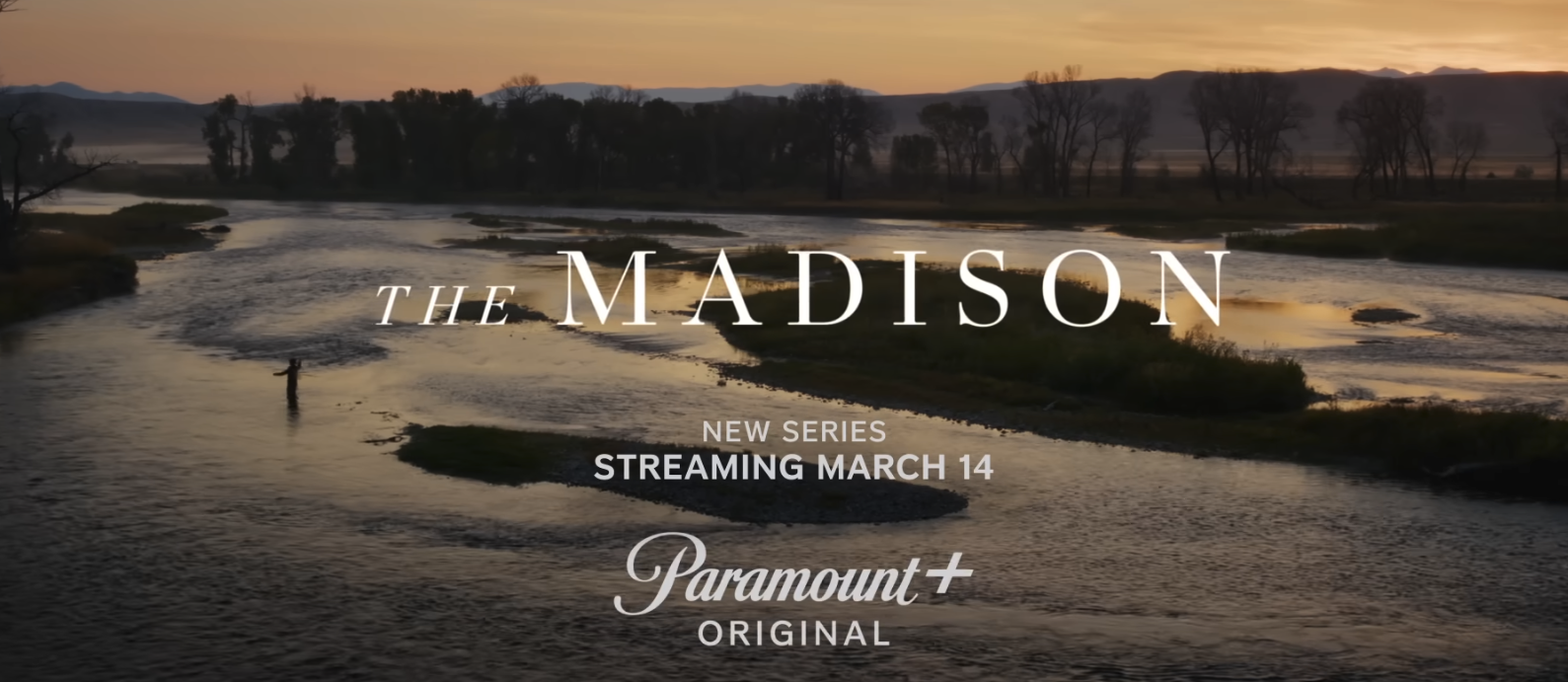
If you’ve watched The Madison, you know that Montana isn’t just a backdrop—it’s practically a character in the show. The sweeping vistas, the rushing river, the towering mountain ranges—they all play a crucial role in the Clyburn family’s journey from grief to healing. But how much of what you see on screen is real? Where exactly is the Madison River valley, and what makes it so special that Taylor Sheridan chose it as the setting for his latest series?
This comprehensive guide explores the real geography, history, and culture of the Madison River valley—the stunning Montana landscape that inspired The Madison and serves as the show’s emotional and physical foundation.
Quick Overview: The Madison River Valley at a Glance
The Madison River valley is a 90-mile stretch of pristine Montana wilderness running from Yellowstone National Park to Three Forks, Montana. Known as one of America’s premier fly-fishing destinations, this valley is flanked by the towering Madison Range to the east and the Gravelly Range to the west, creating a landscape of breathtaking beauty and ecological significance.
Key Facts:
- Length: 183-mile river, 90-mile valley
- Location: Southwest Montana (Madison County & Gallatin County)
- Major Town: Ennis (population ~1,000)
- Famous For: World-class fly fishing, stunning scenery, ranching heritage
- River Source: Confluence of Firehole and Gibbon Rivers in Yellowstone National Park
- River Destination: Joins Jefferson and Gallatin Rivers to form the Missouri River at Three Forks
Geography: Understanding the Madison River System
From Yellowstone to the Missouri
The Madison River’s journey is one of the most scenic in the American West, passing through diverse terrain and creating some of Montana’s most iconic landscapes.
The River’s Path:
| Section | Location | Characteristics |
|---|---|---|
| Upper Madison | Yellowstone NP to Quake Lake | Fast-flowing, pristine, wade fishing only |
| Quake Lake | Gallatin County | Natural lake formed by 1959 earthquake |
| “Fifty Mile Riffle” | Quake Lake to Ennis Lake | Legendary fly-fishing stretch, consistent flow |
| Ennis Lake | Madison County | Reservoir created by Madison Dam |
| Lower Madison | Ennis Lake to Three Forks | Slower flow, Bear Trap Canyon rapids |
| Three Forks | Confluence point | Meets Jefferson & Gallatin to form Missouri River |
The Madison Valley:
The valley itself is a north-south trending structural basin formed by geological forces following the Laramide mountain-building period. Flanked by mountain ranges on both sides, the valley floor is characterized by:
- Expansive ranchland - Wide open spaces ideal for cattle ranching
- Riparian corridors - Lush vegetation along the river
- Sagebrush flats - Classic Montana high-desert landscape
- Irrigated meadows - Supporting agriculture and wildlife
The Mountain Ranges
Madison Range (East Side):
The Madison Range rises dramatically from the valley floor, with peaks reaching over 11,000 feet. This rugged mountain chain is part of the Rocky Mountains and features:
- Steep, forested slopes
- Alpine lakes and meadows
- Abundant wildlife habitat
- Backcountry wilderness areas
Gravelly Range (West Side):
The Gravelly Range, while less dramatic than the Madison Range, provides equally stunning vistas:
- Rolling, high-elevation terrain
- Extensive elk and deer populations
- Remote wilderness character
- Historic mining areas
Tobacco Root Mountains (Northwest):
Visible from the northern valley, these mountains add to the 360-degree mountain views that make the Madison valley so spectacular.
Climate and Seasons
Four Distinct Seasons:
Spring (April-May):
- Snowmelt and runoff season
- Rivers run high and fast
- Wildflowers begin blooming
- Temperatures: 40-60°F
Summer (June-August):
- Peak tourism and fishing season
- Warm days, cool nights
- Occasional afternoon thunderstorms
- Temperatures: 70-85°F (days), 40-50°F (nights)
Fall (September-October):
- Golden aspens and cottonwoods
- Excellent fishing conditions
- Crisp, clear weather
- Temperatures: 50-70°F
Winter (November-March):
- Heavy snowfall in mountains
- Quiet, pristine landscapes
- Limited access to some areas
- Temperatures: 10-30°F
History: The Madison River Valley Through Time
Indigenous Heritage
Long before European settlement, the Madison River valley was home to and traveled through by several Native American tribes:
- Shoshone - Seasonal hunting and fishing grounds
- Bannock - Used valley as travel corridor
- Crow - Hunted buffalo in the region
- Blackfeet - Occasionally traveled through the area
The valley’s abundant wildlife, fish, and plant resources made it a valuable seasonal destination for indigenous peoples for thousands of years.
Lewis and Clark: Naming the Madison
August 1805: The Corps of Discovery
The Madison River received its name from the Lewis and Clark Expedition. On August 3, 1805, the expedition reached the confluence of three rivers near present-day Three Forks, Montana.
Captain Lewis wrote in his journal:
“We called the S. W. Fork, that which we meant to ascend, Jefferson’s river in honor of Thomas Jefferson. The Middle fork we called Madison’s River in honor of James Madison, and the S. E. Fork we called Gallatin’s River in honor of Albert Gallatin.”
James Madison was then serving as Secretary of State under President Thomas Jefferson and would later become the fourth President of the United States.
This naming established the Madison River as a significant landmark in American exploration history.
The 1859 Gold Rush
Virginia City and Alder Gulch:
In 1863, gold was discovered in Alder Gulch, just west of the Madison valley. This discovery led to:
- Rapid settlement of the region
- Establishment of Virginia City (Montana’s first territorial capital)
- Founding of Ennis and other valley towns
- Development of ranching to supply mining camps
William Ennis:
The town of Ennis was founded by William Ennis, who homesteaded along the Madison River in 1863. The town became a supply center for miners and later evolved into a ranching and fishing community.
The 1959 Hebgen Lake Earthquake
August 17, 1959: A Night of Terror
One of the most significant events in Madison valley history occurred on August 17, 1959, when a massive earthquake struck the region.
The Earthquake:
- Magnitude: 7.3-7.5
- Epicenter: Near Hebgen Lake
- Casualties: 28 people killed
- Damage: Massive landslide, dam damage, landscape transformation
The Creation of Quake Lake:
The earthquake triggered a massive landslide that blocked the Madison River, creating a natural dam. Within weeks, a new lake—Quake Lake (also called Earthquake Lake)—formed behind the debris.
The Army Corps of Engineers Response:
To prevent catastrophic flooding downstream, the Army Corps of Engineers:
- Cut two channels through the rockslide
- Stabilized the natural dam
- Created a controlled spillway
Quake Lake remains today as a permanent feature of the Madison River system and a stark reminder of the region’s geological volatility. The “ghost forest” of dead trees still standing in the lake is a haunting landmark visible from Highway 287.
Ranching Heritage
The Cattle Kingdom:
From the 1880s onward, the Madison valley became prime cattle ranching country. The combination of:
- Abundant grass and water
- Long growing season (for Montana)
- Protected valley location
- Access to markets via railroad
…made the valley ideal for large-scale ranching operations. Many historic ranches established in the late 1800s remain operational today, maintaining the valley’s ranching character.
The “Fifty Mile Riffle”: Fly Fishing Paradise
Why the Madison is World-Famous
The Madison River is consistently ranked among the top fly-fishing destinations in the world. The stretch between Quake Lake and Ennis Lake—known as the “Fifty Mile Riffle”—is particularly legendary.
What Makes It Special:
1. Consistent Flow and Structure:
Unlike many rivers with pools, riffles, and slow sections, the Madison maintains a remarkably consistent character for 50 miles—a long, continuous riffle with steady current. This unique structure provides:
- Excellent oxygen levels for trout
- Abundant insect habitat
- Ideal feeding conditions
- Predictable fishing conditions
2. High Trout Populations:
The Madison supports an estimated 3,000-5,000 trout per mile in prime sections—among the highest densities in North America.
Trout Species:
- Rainbow Trout - Dominant in upper sections
- Brown Trout - More common in lower sections, larger average size
- Mountain Whitefish - Native species, abundant
Size Range:
- Average: 14-16 inches
- Common: 16-20 inches
- Trophy fish: 20+ inches (regularly caught)
- Record fish: 28+ inches
3. Year-Round Fishing:
While many Montana rivers are seasonal, the Madison offers quality fishing nearly year-round, with different sections peaking at different times.
4. Accessible Yet Wild:
Highway 287 runs alongside much of the river, providing easy access, yet the river maintains a wild, pristine character. Public access points are abundant thanks to Montana’s stream access laws.
Fishing Challenges and Triumphs
The Whirling Disease Crisis:
In the 1990s, the Madison faced an ecological crisis. Whirling disease—a parasitic infection affecting juvenile trout—devastated the fishery.
The Impact:
- 1991-1997: Up to 90% mortality in young rainbow trout
- Dramatic population decline
- Threat to local economy dependent on fishing tourism
The Recovery:
Remarkably, the Madison recovered. The surviving 10% of rainbow trout showed genetic resistance to the disease. Through natural selection and careful management by Montana Fish, Wildlife & Parks, the fishery rebounded.
Today: The Madison is as productive as ever, a testament to the resilience of wild trout populations and effective conservation management.
Fishing Culture
The Madison has developed its own unique fishing culture:
Guided Trips:
- Dozens of outfitters based in Ennis, West Yellowstone, and Bozeman
- Drift boat fishing is the most popular method
- Wade fishing excellent in many sections
DIY Anglers:
- Abundant public access points
- Walk-and-wade opportunities
- Float-your-own-boat options
Fishing Lodges:
- Historic lodges like Rainbow Valley Lodge
- Modern luxury fishing resorts
- Budget-friendly cabin rentals
The Ennis Fishing Community:
Ennis bills itself as the “Fly Fishing Capital of Montana”—a bold claim in a state full of world-class rivers. The town’s economy revolves around fishing:
- Multiple fly shops
- Guide services
- Fishing lodges and rentals
- Annual fishing events and tournaments
Ennis: The Heart of the Madison Valley
A Small Town with Big Character
Ennis is the primary town in the Madison valley and serves as the cultural and economic hub of the region.
Population: ~1,000 permanent residents (swells significantly in summer)
Character:
- Classic Western architecture
- Main Street with historic buildings
- Working ranching community
- Fishing tourism economy
What You’ll Find in Ennis:
Fly Shops:
- Multiple full-service fly shops
- Expert local knowledge
- Gear, guides, and advice
Restaurants & Bars:
- Local favorites with Montana character
- Casual dining, steakhouses
- Lively bar scene (especially in summer)
Lodging:
- Historic motels and cabins
- Modern vacation rentals
- Fishing lodges
- RV parks and campgrounds
Culture & Events:
Ennis Rodeo (July 4th Weekend):
- One of Montana’s premier rodeos
- Parade down Main Street
- Community celebration
Madison River Foundation:
- Conservation organization
- River cleanup events
- Educational programs
Local Art Scene:
- Small but vibrant art community
- Galleries featuring Western and wildlife art
- Local craftspeople
Proximity to Yellowstone
One of Ennis’s major advantages is its location relative to Yellowstone National Park:
- 70 miles from West Yellowstone entrance
- 90 miles from Yellowstone’s geyser basins
- Ideal base for Yellowstone day trips
- Less crowded than gateway towns
This makes the Madison valley an attractive alternative to staying in crowded tourist towns while still accessing Yellowstone’s wonders.
The Madison Valley Real Estate Market
From Working Ranches to Vacation Retreats
The Madison valley’s real estate market reflects its dual identity as both a working agricultural region and a recreational paradise.
Property Types:
1. Historic Ranches:
- Large acreage (hundreds to thousands of acres)
- Working cattle operations
- River frontage often included
- Multi-million dollar properties
- Example: 141-acre properties with mile+ of river frontage
2. Vacation Homes:
- Smaller parcels (5-40 acres)
- Modern construction with mountain views
- Proximity to fishing access
- 2M range
3. Fishing Cabins:
- Rustic to luxury
- River access priority
- Rental income potential
- 1M range
4. Town Properties:
- Homes in Ennis
- More affordable entry point
- Walking distance to amenities
- 500K range
The Appeal to Wealthy Outsiders
Like many scenic Montana valleys, the Madison has seen an influx of wealthy out-of-state buyers—a trend that mirrors the storyline in The Madison.
Who’s Buying:
- Tech entrepreneurs
- Finance professionals
- Celebrities seeking privacy
- Retirees with means
- Fishing enthusiasts
The Impact:
- Rising property values
- Changing community dynamics
- Tension between newcomers and longtime residents
- Concerns about loss of ranching heritage
Sound Familiar?
This real-world dynamic is exactly what Taylor Sheridan explores in The Madison—the collision between wealthy outsiders seeking healing or escape and the established Montana community with its own values and way of life.
Wildlife and Natural Beauty
An Ecological Treasure
The Madison River valley is home to one of the most diverse and abundant wildlife populations in the lower 48 states.
Large Mammals:
Elk:
- Massive herds in surrounding mountains
- Valley migration in winter
- Hunting is major activity
Mule Deer & White-tailed Deer:
- Abundant throughout valley
- Common sightings
Moose:
- Along river corridors
- Particularly in willow thickets
Black Bears:
- Mountain forests
- Occasional valley sightings
Grizzly Bears:
- Rare but present
- More common near Yellowstone
Mountain Lions:
- Elusive predators
- Healthy population
Wolves:
- Reintroduced to Yellowstone region
- Occasionally range into valley
Pronghorn Antelope:
- Open valley floor
- Fastest land animal in North America
Birds:
Bald Eagles:
- Winter residents
- Fish along river
Osprey:
- Summer residents
- Spectacular fishing birds
Sandhill Cranes:
- Migratory stopover
- Dramatic courtship displays
Trumpeter Swans:
- Ennis Lake residents
- Largest waterfowl in North America
Waterfowl:
- Ducks, geese, pelicans
- Abundant in wetlands
Raptors:
- Hawks, falcons, owls
- Excellent birding opportunities
Wildflowers and Plant Life
Spring-Summer Display:
From April through August, the Madison valley explodes with wildflower color:
- Lupine - Purple carpets in June
- Balsamroot - Yellow hillsides in May
- Indian Paintbrush - Red-orange splashes
- Wild Iris - Blue accents
- Penstemon - Various colors
Riparian Vegetation:
Along the river:
- Cottonwood trees (golden in fall)
- Willow thickets
- Native grasses
- Wildflower meadows
Where The Madison Was Actually Filmed
Montana Locations
Taylor Sheridan and his production team filmed extensively in the real Madison River valley, lending authentic beauty to the series.
Confirmed Filming Locations:
1. Three Forks Area:
- KG Ranch - Primary location for Clyburn Ranch scenes
- 26,000-acre working cattle ranch
- Authentic Montana ranching operation
- Six weeks of filming
2. Ennis:
- Main Street scenes (Episode 2)
- Historic downtown buildings
- Funeral home scene
- Local businesses featured
3. Bozeman:
- Some town scenes
- Production base
4. Gallatin Canyon:
- Fishing scenes with dramatic rock walls
- US-191 between Bozeman and Big Sky
- Gallatin River (standing in for Madison in some shots)
Why the Madison Valley?
Director Christina Alexandra Voros explained the choice:
“We had been in the Bitterroot Valley for Yellowstone for so long. It’s beautiful, but it is very much its own ecosystem. And I think [Taylor] wanted to explore another part of that world visually. It’s a very different look. It’s a very different feel being down in the Madison River Valley.”
The Texas Stand-In
New York City = Fort Worth:
Interestingly, the “New York City” scenes in The Madison were actually filmed in Fort Worth and Dallas, Texas—not in Manhattan. Downtown Fort Worth stood in for the Clyburns’ urban life, providing a visual contrast to the Montana wilderness.
Visiting the Madison River Valley
Planning Your Trip
If The Madison has inspired you to visit this stunning region, here’s what you need to know.
Best Times to Visit:
Summer (June-August):
- ✅ Best weather
- ✅ All activities available
- ✅ Wildflowers in bloom
- ❌ Most crowded
- ❌ Highest prices
Fall (September-October):
- ✅ Excellent fishing
- ✅ Fall colors spectacular
- ✅ Fewer crowds
- ✅ Pleasant weather
- ❌ Cooler temperatures
Spring (May-June):
- ✅ Wildflowers
- ✅ Wildlife viewing
- ✅ Lower prices
- ❌ Runoff affects fishing
- ❌ Unpredictable weather
Winter (November-March):
- ✅ Pristine beauty
- ✅ Solitude
- ✅ Winter sports nearby
- ❌ Limited services
- ❌ Cold temperatures
- ❌ Road closures possible
Getting There
By Air:
- Bozeman Yellowstone International Airport (BZN) - 70 miles north
- Rental cars available
- Shuttle services to Ennis
By Car:
- From Bozeman: 70 miles south on Highway 287 (1.5 hours)
- From West Yellowstone: 50 miles north on Highway 287 (1 hour)
- From Billings: 180 miles (3.5 hours)
Things to Do
Fly Fishing:
- Hire a guide or DIY
- Multiple access points
- Gear rental available in Ennis
Hiking:
- Trails in Madison Range
- Gravelly Range wilderness
- Lee Metcalf Wilderness
Wildlife Viewing:
- Early morning/evening best
- Bring binoculars
- Respect wildlife distance
Yellowstone Day Trips:
- West Yellowstone entrance 50 miles
- Old Faithful 70 miles
- Full day recommended
Historic Virginia City:
- 14 miles west of Ennis
- Preserved gold rush town
- Living history museum
Scenic Drives:
- Highway 287 along river
- Gravelly Range Road
- Quake Lake visitor area
Where to Stay
Ennis:
- Multiple motels and cabins
- Vacation rentals (VRBO, Airbnb)
- Fishing lodges
- RV parks
Nearby:
- West Yellowstone (gateway town)
- Cameron (tiny community)
- Three Forks (historic town)
Camping:
- Public campgrounds along Highway 287
- National Forest dispersed camping
- Private RV parks
Conservation and Challenges
Protecting the Madison
The Madison River valley faces several conservation challenges as it balances recreation, development, and preservation.
Key Issues:
1. Water Quality:
- Agricultural runoff
- Septic systems
- Development pressure
2. Access Preservation:
- Montana’s stream access laws protect public access
- Private property conflicts
- Maintaining access points
3. Wildlife Habitat:
- Development fragmenting habitat
- Human-wildlife conflicts
- Migration corridor protection
4. Climate Change:
- Changing snowpack patterns
- Earlier runoff
- Lower summer flows
- Warming water temperatures
Conservation Organizations:
Madison River Foundation:
- River cleanup and restoration
- Education programs
- Advocacy for river protection
Western Rivers Conservancy:
- Secured public access at Three Dollar Bridge
- Protected 4,300 acres of Madison River habitat
- Ongoing conservation easements
Montana Fish, Wildlife & Parks:
- Fishery management
- Access site maintenance
- Wildlife management
The Madison Valley in Popular Culture
Before The Madison TV Series
The Madison River valley has appeared in popular culture before Taylor Sheridan’s series:
Literature:
- Featured in numerous fly-fishing books and magazines
- Setting for outdoor adventure memoirs
- Montana ranching novels
Film & TV:
- Fishing documentaries
- Montana tourism promotions
- Background in various Western films
Photography:
- Iconic landscape photography subject
- Wildlife photography destination
- Featured in Montana tourism campaigns
The Madison’s Impact
Taylor Sheridan’s The Madison is bringing unprecedented attention to this region. The series showcases:
- The valley’s stunning visual beauty
- The ranching culture and lifestyle
- The fly-fishing heritage
- The tension between preservation and development
- The healing power of wild landscapes
Potential Impacts:
Positive:
- Increased tourism revenue
- Greater conservation awareness
- Economic boost for Ennis and surrounding communities
- Showcasing Montana’s beauty to global audience
Concerns:
- Over-tourism pressure
- Increased development
- Strain on infrastructure
- Loss of quiet, remote character
- “Yellowstone effect” (overwhelming visitor numbers)
Why the Madison Valley Works for The Madison
The Perfect Setting for Sheridan’s Story
Taylor Sheridan chose the Madison River valley for specific reasons that serve the show’s themes:
1. Visual Contrast:
The valley provides stark visual contrast to New York City—essential for showing the Clyburns’ dramatic life change.
2. Healing Landscape:
The open spaces, flowing water, and mountain vistas create a believable setting for emotional healing and transformation.
3. Authentic Montana:
Unlike some Montana locations that have become heavily developed or touristy, the Madison valley retains authentic ranching character.
4. Accessible Remoteness:
The valley feels remote and wild, yet is accessible enough for major production logistics.
5. Fishing Culture:
The fly-fishing heritage provides authentic activities and culture for characters to engage with—Preston’s love of fishing is what brings the family to Montana.
6. Real-World Tensions:
The valley’s actual experience with wealthy outsiders buying property provides authentic conflict and cultural dynamics for the show to explore.
The Bottom Line: Montana as Character
In The Madison, the Montana landscape isn’t just pretty scenery—it’s an active force in the story. The river, the mountains, the vast spaces, the harsh weather, the wildlife—all of these elements challenge, transform, and ultimately heal the Clyburn family.
The real Madison River valley provides all of this authentically. It’s a place where:
- Nature operates on its own terms
- Human concerns feel smaller against mountain vistas
- The rhythm of seasons dictates life
- Community bonds matter
- The land demands respect
For viewers inspired by the show: The Madison River valley is real, accessible, and every bit as beautiful as it appears on screen. Whether you’re a fly fisher, a hiker, a wildlife enthusiast, or simply someone seeking the kind of healing landscape the Clyburns find, the Madison valley welcomes you.
Just remember: this is a real place with real people, a working landscape, and a fragile ecosystem. Visit with respect, tread lightly, and you’ll discover why Taylor Sheridan chose this valley to tell his story of loss, healing, and transformation.
Plan Your Madison River Valley Adventure
Ready to experience the real Madison River valley?
👉 Visit Ennis, Montana - The heart of the Madison valley
👉 Book a Fishing Guide - Experience the legendary “Fifty Mile Riffle”
👉 Explore Yellowstone - Just 50 miles from West Yellowstone entrance
👉 Stay in a Riverside Cabin - Wake up to mountain views and river sounds
Useful Resources:
- Madison River Foundation - Conservation and river information
- Ennis Chamber of Commerce - Visitor information
- Montana Fish, Wildlife & Parks - Fishing regulations and access
- Southwest Montana Tourism - Regional travel planning
Last Updated: March 30, 2026
Article Type: Location Guide & Cultural Background
Related to: The Madison TV series (Paramount+)
This article provides factual information about the Madison River valley. We are not affiliated with Paramount+, Taylor Sheridan, or the production companies behind The Madison.
Related Articles
- The Madison Streaming Guide: Where to Watch & Is It Worth Your Time?
- Is The Madison a Yellowstone Spinoff? The Complete Truth
- Michelle Pfeiffer’s Performance in The Madison: Emmy-Worthy Analysis
- The Madison Season 1: Complete Episode Guide
- Comparing Yellowstone and The Madison: Two Montana Stories
Have you visited the Madison River valley? Share your experiences in the comments!
Planning a trip inspired by The Madison? Let us know what you’re most excited to see!